Designing 21st Century MRFs
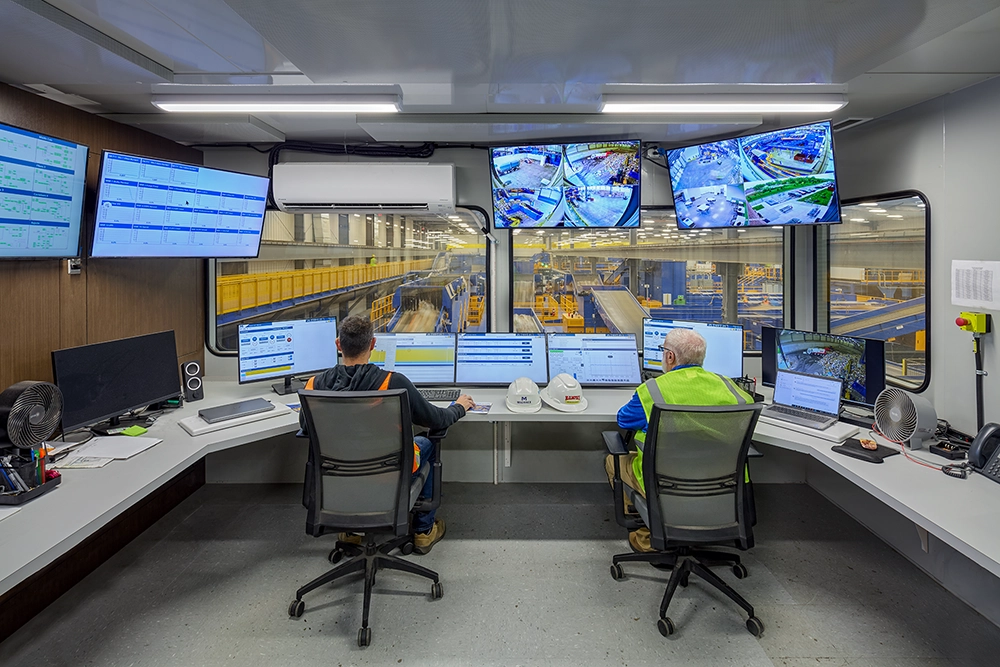
As we look at those changes over the last 25 years, several trends emerge in the increasing use of technology in how we design, construct, document, and operate these facilities.
The last 25 years have seen significant developments in many key areas of performance for Material Recovery Facilities (MRFs). These changes can be grouped into several categories, but the consistent through lines converge over increased use of technology, a focus on safety, and an eye toward future flexibility. Let’s take some time to look back over the shifts in MRFs over the last 25 years and why they occurred.
Design the System for the Material
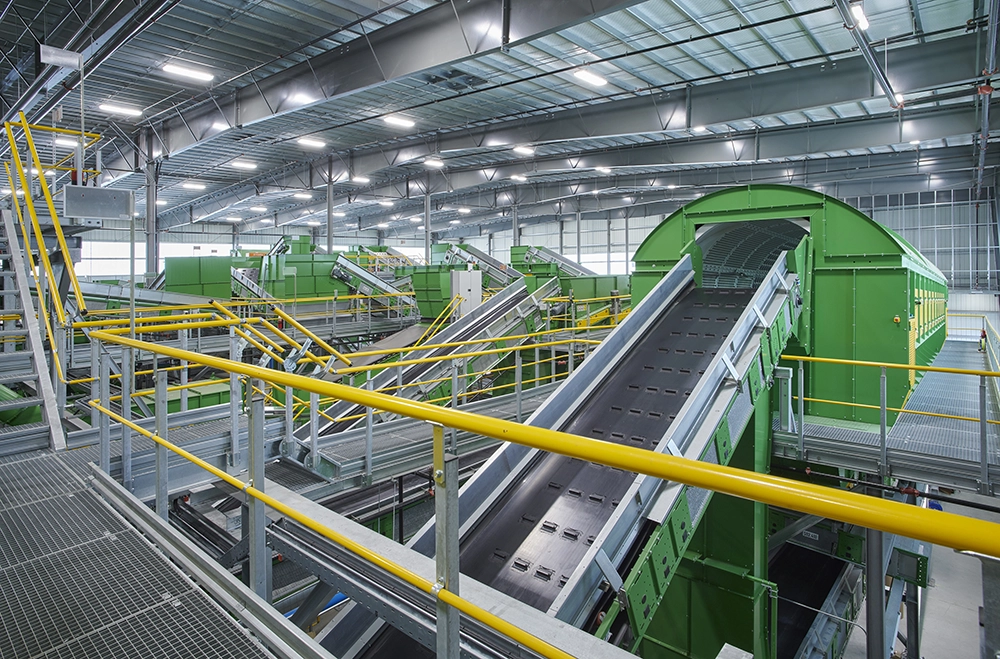
This may be a bit of an oversimplification, but one trend has been the increasing focus and ability to design the recovery system for the specific needs of the end user and the material that will be sorted. This relies on several factors: the ability of the end user to provide accurate and stable waste characterization, as well as a good market survey of the local area to determine the needs and market for the target commodities. In addition, the increasing ability of MRF system designers to dial in systems to pursue more desirable commodities and deliver an end-product that aligns with the purity needs of the local market can yield long-term value for system operators. For example, some areas have capacity and need for plastics sorted by type with a high level of purity and will pay a premium for this. In those areas, investing in additional optical sorters and QC stations would likely make sense, but in other places, there is no local market or price premium for this, making it difficult to justify. There are other strategies that can be deployed to align the MRF’s capability with the local market; however, the overall strategy is to align the equipment and operational resources with the local market’s needs.
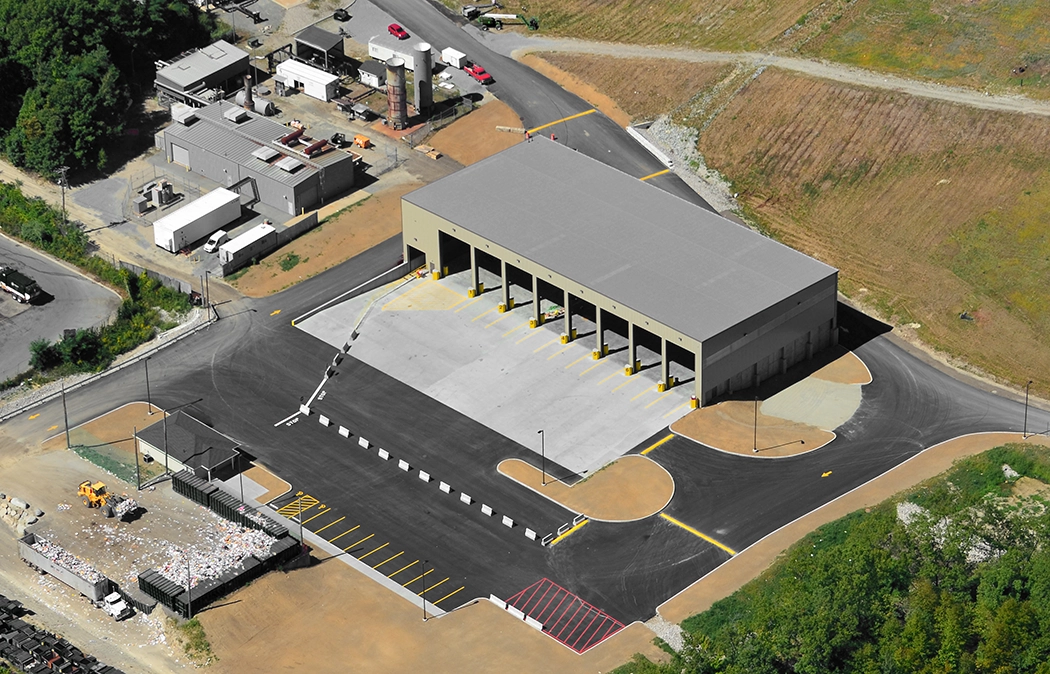
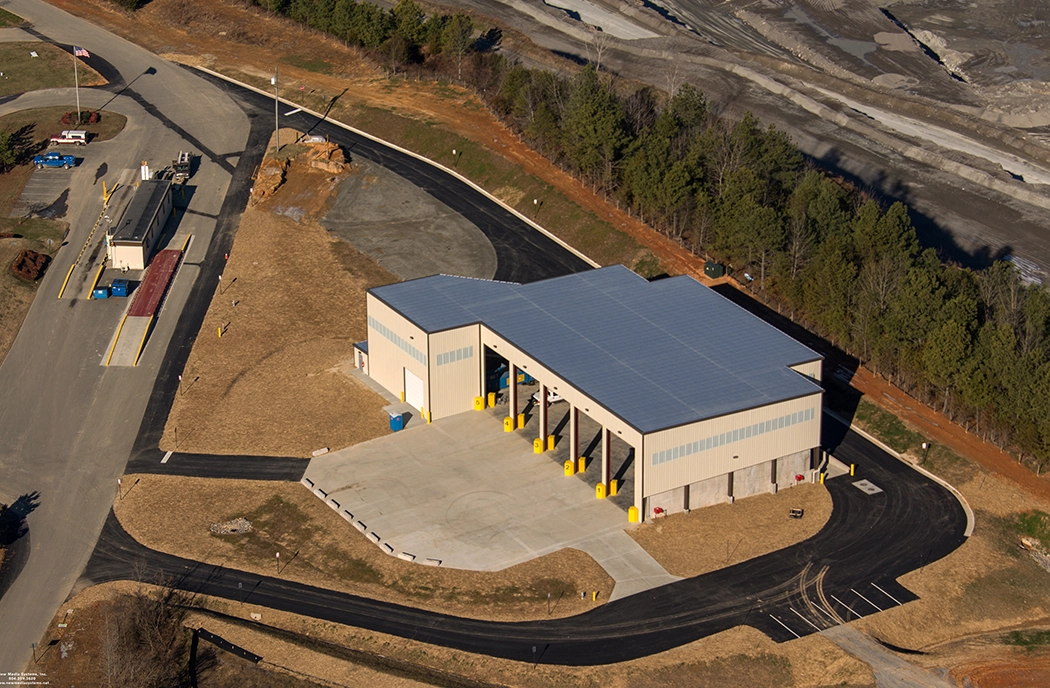

Simplifying Clients' Lives One Project at a Time.