MRF operations: Intentional planning for ease of operations
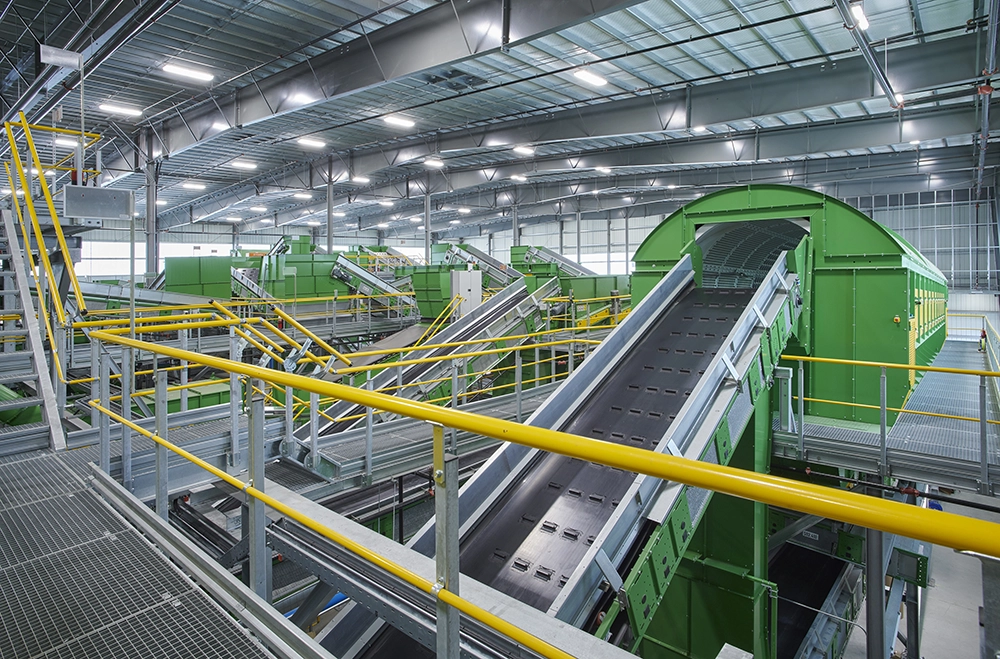
How early operator involvement drives safer, smarter and more serviceable recycling facilities
Often, MRF operations are considered only after construction. Involving the ops team early in design and equipment planning results in smoother operations and less costly rework. This article focuses on safety, facility maintenance and key considerations in incorporating operations feedback to improve the facility.
Safety
Safety is the top priority in MRF operations. To improve safety, involve the ops team early to identify how staff will move through the facility and set defined walking paths, reducing vehicle-to-employee accident risks.
One strategy to increase safety is to elevate the office connection to the sort platforms via an overhead catwalk. Have the ops team guide power, air and lighting placement around equipment to avoid extension cord hazards and dark spots. Reserve a specific budget for safety-related upgrades. Conduct prestartup walkthroughs; let the ops team determine the best locations for resources.
These steps will directly support a safer workplace.
Facility maintenance
The ops team should be involved in planning the MRF shop, as they know daily operations best.
Their input is crucial in advising on equipment needs, such as the size of the air compressor, placement of air drops and any 3-phase power required for equipment like fabrication tools or forklift chargers.
They can also guide whether to support in-house maintenance for heavy equipment. When discussing maintenance, it’s important to discuss space and racks for storing common replacement parts, such as belts, shafts, baler wire and spare motors. Design teams often don’t know these details, so the ops team should share their needs early.
Some maintenance tasks are simpler. Since the ops team keeps the facility clean and running, they should review the equipment they work with. For example, many operators prefer stairs instead of ladders for equipment pits. Adding lighting in pits and using sump basins with high-water alarms instead of floor drains can reduce two common maintenance problems in MRFs.
While reviewing the equipment plans, the ops team should evaluate whether any overhead cranes, hoistways or lifting points are needed so they can be included in the building plan set. These items are very challenging to retrofit once the facility is operational, but they typically are fairly cheap during the design and construction phases.
Important considerations
With facility maintenance considerations addressed, it's important to highlight additional key factors for effective MRF operations.
As the MRF design moves forward, the ops team should be involved in decisions that affect daily operations.
One common topic is plant comfort. Conditioning a MRF is tough, but employee comfort matters. The design and ops teams should discuss the best options based on the facility, climate and user needs. For example, a facility in a northern climate might not need air conditioning but would benefit from heating and ventilation. In desert areas, an evaporative cooler might work well.
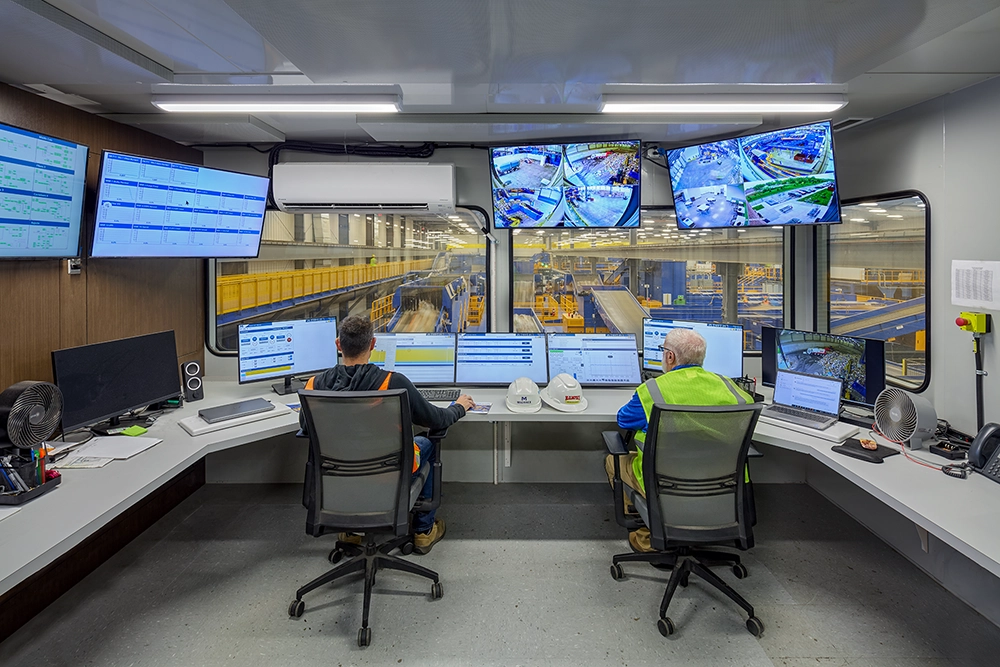
Sorting cabins can help condition workstations but may be dusty and create emergency egress challenges. It’s important to discuss these early because retrofitting HVAC or cabins after startup is costly and disruptive.
Another key area is equipment access for maintenance. Work with equipment vendors to identify lift locations to reach all service points and to identify any hard-to-access areas that require building solutions. By reviewing daily and occasional service tasks, the ops team can ensure the building and equipment are safe and practical to maintain.
Also, consider facility staffing needs. If a third-party staffing company runs operations, you might want to include an office for them in the design.
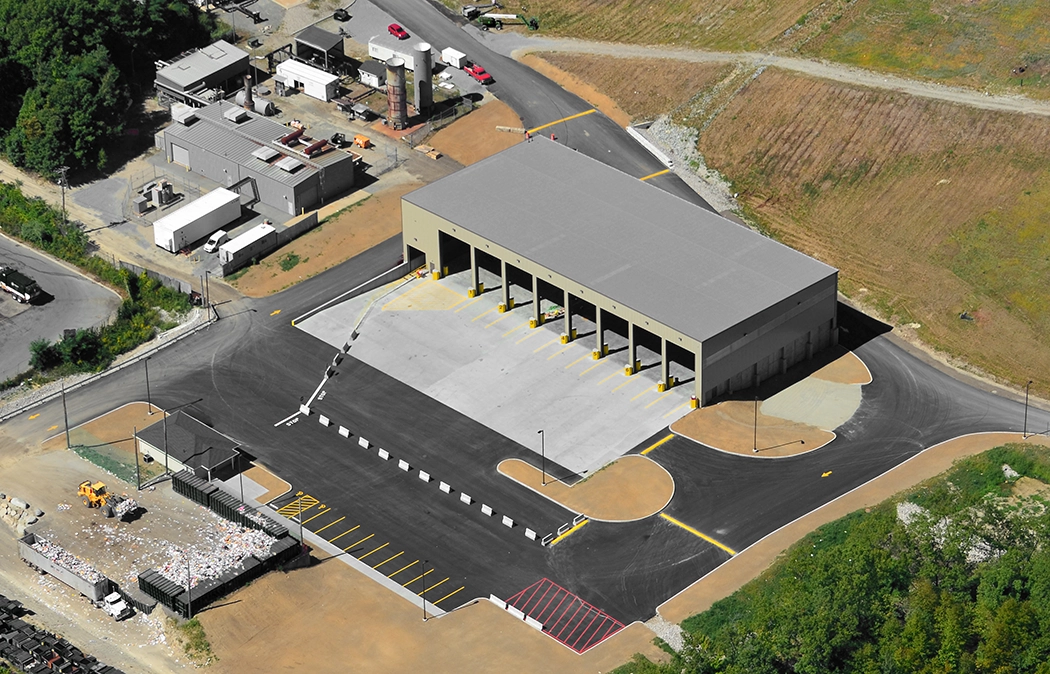
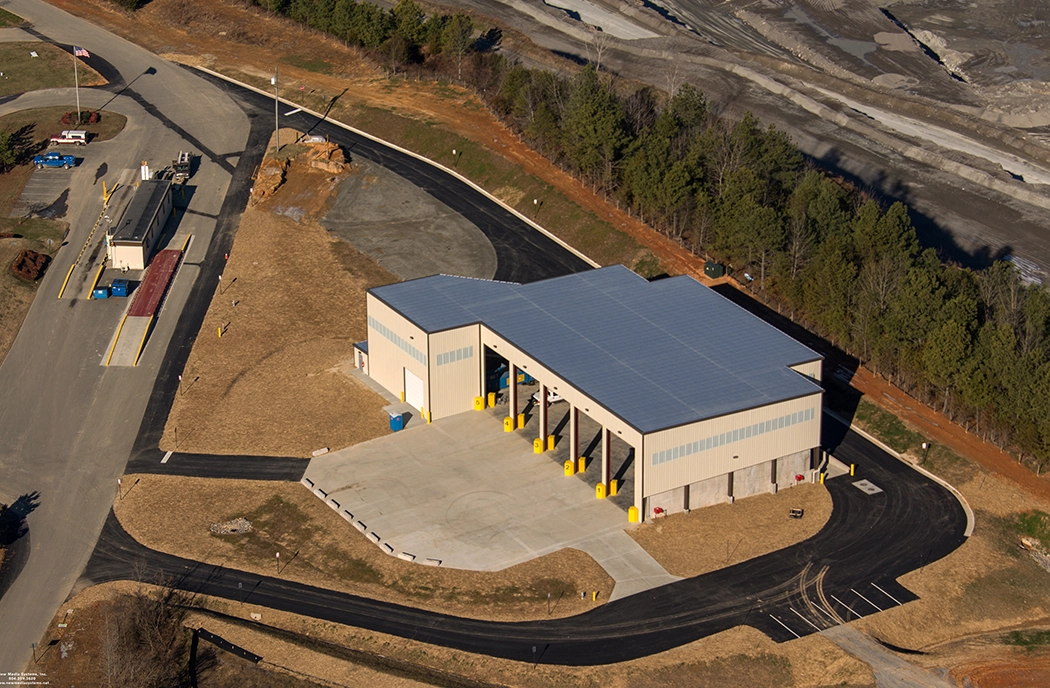
Another area of consideration in the facility design would be how the operation should address trucking and bale load-out. Depending on the plant's location and logistics, the operation may want a shipping office and, possibly, a driver’s break room adjacent to the loading docks to keep drivers from wandering around the site looking for a bathroom, a vending machine or a place to charge their phones. Opinions on this vary widely, so it’s worth discussing the operator’s preference early.
Conclusion
In summary, connecting each of these focus areas—safety, facility maintenance and operations planning—through involvement of the ops team from the outset is critical. Gathering their input on facility features, workspace needs and comfort measures ensures smooth operations. Collaborate with the ops team at every design phase for a facility that meets their daily requirements. No facility is perfect, but following these recommendations makes your MRF more efficient and operator friendly.

Simplifying Clients' Lives One Project at a Time.