Keys to Building a Successful MRF: Before, During, After
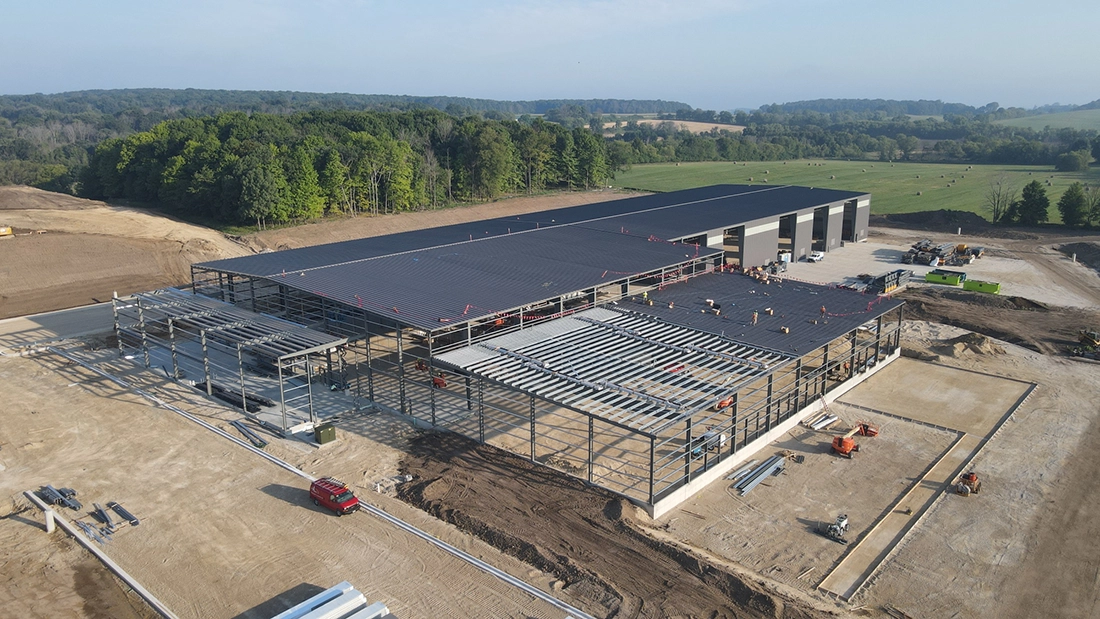
When developing a new MRF, the goal is to end up with a facility that operates efficiently, requires minimal repairs and downtime, and flexibility to accommodate future equipment upgrades and modifications. Actively seeking out and incorporating practices from experts who focus on design, building, and managing MRFs will elevate the final product of your new, successful facility.
The best way to understand what it takes to successfully plan, build, and manage a Material Recovery Facility (MRF) is to gain insight from experts who focus on these types of facilities. Incorporating best practices and input from a diverse and multi-disciplinary group can help ensure you are including all the necessary considerations to make your project a success.
Your goal is to end up with a facility that operates efficiently, requires minimal repairs and downtime, and flexibility to accommodate future equipment upgrades and modifications. Once you have completed the design, construction, and equipment installation and commissioning, you then transition into active operations of the facility. One of the greatest risks when running and operating a MRF are fires, which are often preventable. Incorporate approaches to make the facility and equipment less prone to fires, or at a minimum, provide you with the ability to catch them early and extinguish them. In this article, industry experts discuss three critical areas to successfully build and maintain a MRF:
- Part 1: Design and Construction of Your Facility
- Part 2: Equipment Design and Installation
- Part 3: Fire Prevention and Protection

Simplifying Clients' Lives One Project at a Time.