Managing MRF Design, Construction, And Operations Amid Inflation and Labor Shortages

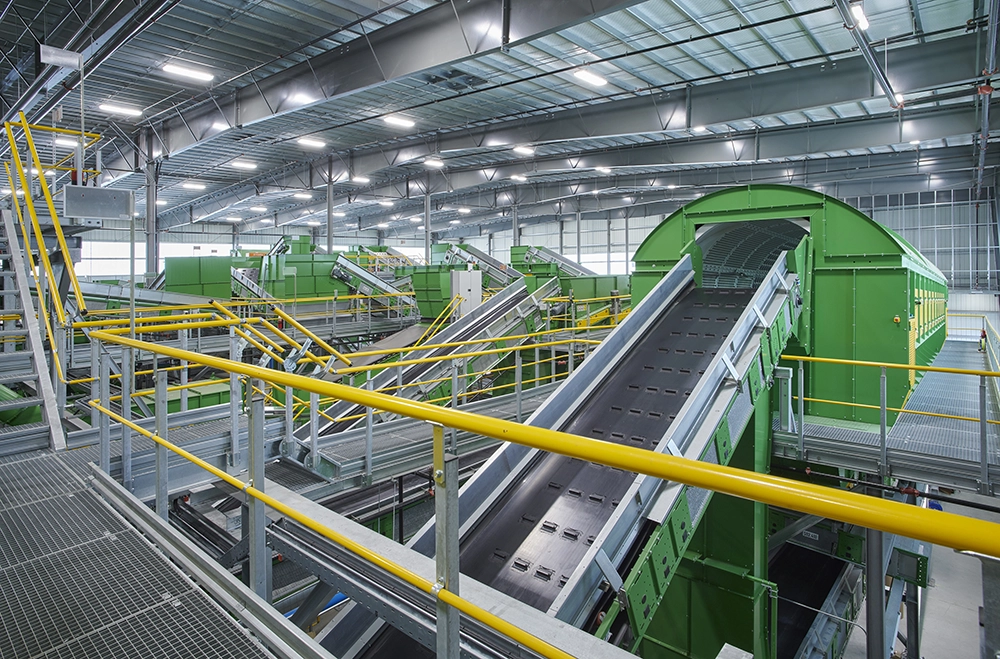
There is no easy way to avoid economic pressures, hiring and retention challenges, or supply chain issues. However, with a good plan and strong partners, today’s MRF operators can mitigate these pressures and optimize the construction and performance of the plant.
MRFs are not immune from the inflation and labor market challenges faced by other industries today—inflation is at a 40-year high, and at 3.6 percent the unemployment rate is at historically low levels, and there are more jobs in nearly every sector than there are people willing to work. These facts create risks for organizations that are planning construction of new MRF facilities and those with ongoing operations.
Overcoming today’s inflation and workforce obstacles is daunting, but not impossible. Proactive management can keep projects on time and on budget and maintain positive client relationships. There are four key steps that can help any MRF project achieve its construction, operating, and productivity goals.
#1: Plan Ahead
Labor shortages impact every aspect of a MRF construction project. Consider this: without qualified CAD operators, drafting time for drawings and material submittals can be delayed. A shortage of permit review and inspection staff at local building departments can slow down a project at each phase of construction. The availability of skilled tradespeople on site cannot only take the construction schedule off-track but also create risk and can negatively impact quality if a builder hires less qualified workers just to get the job done.
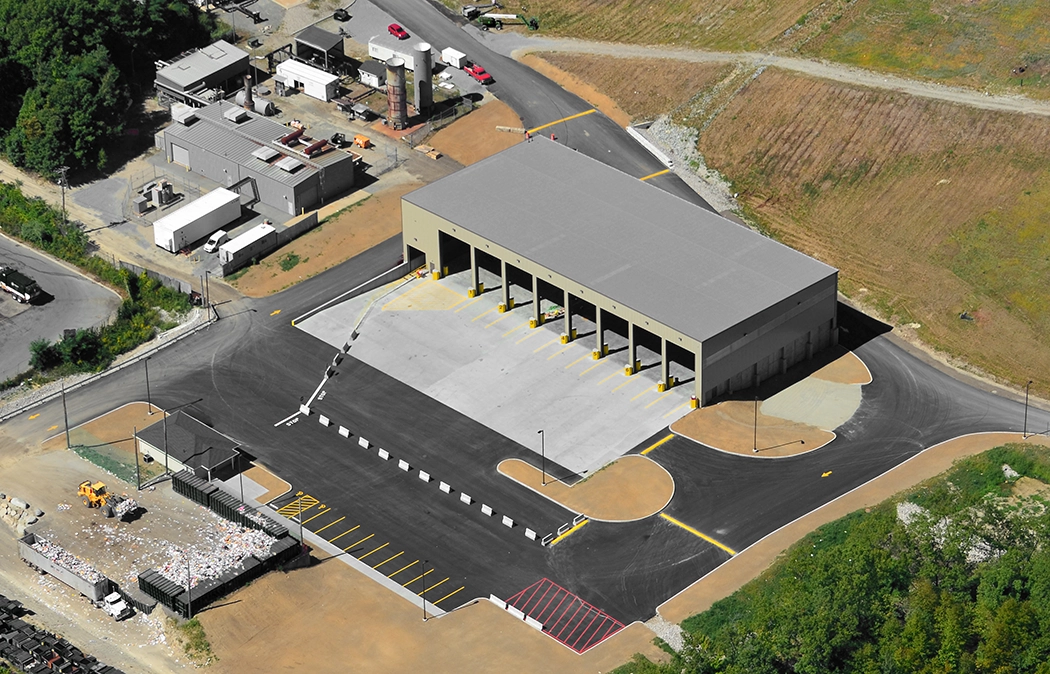
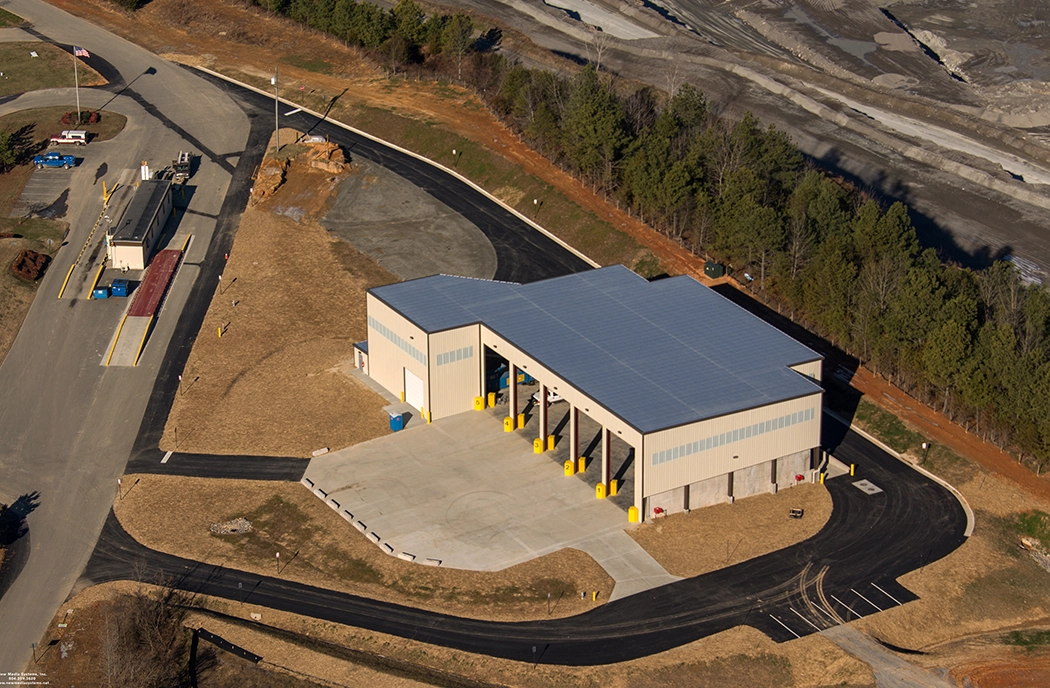
- Today, builders and project managers must account for delays at every step of the project. Taking time to plan can avoid problems down the road:• Give local jurisdictions plenty of lead time to review your project. Build relationships with staff members and communicate that you understand the pressures they are facing.• Keep designs simple. We know of manufacturers who are turning down more complex building shells and projects because they do not have the time or the people to get them done in a timely manner. Work with your design/build team to explore ways to “dress up” a building while keeping the design simple. • Work with a reputable design/build partner whose relationships with contractors and subcontractors can provide and schedule reliable skilled tradespeople for the job precisely when they are needed.

Simplifying Clients' Lives One Project at a Time.