The Essential Guide to Transfer Stations: Operations and Management
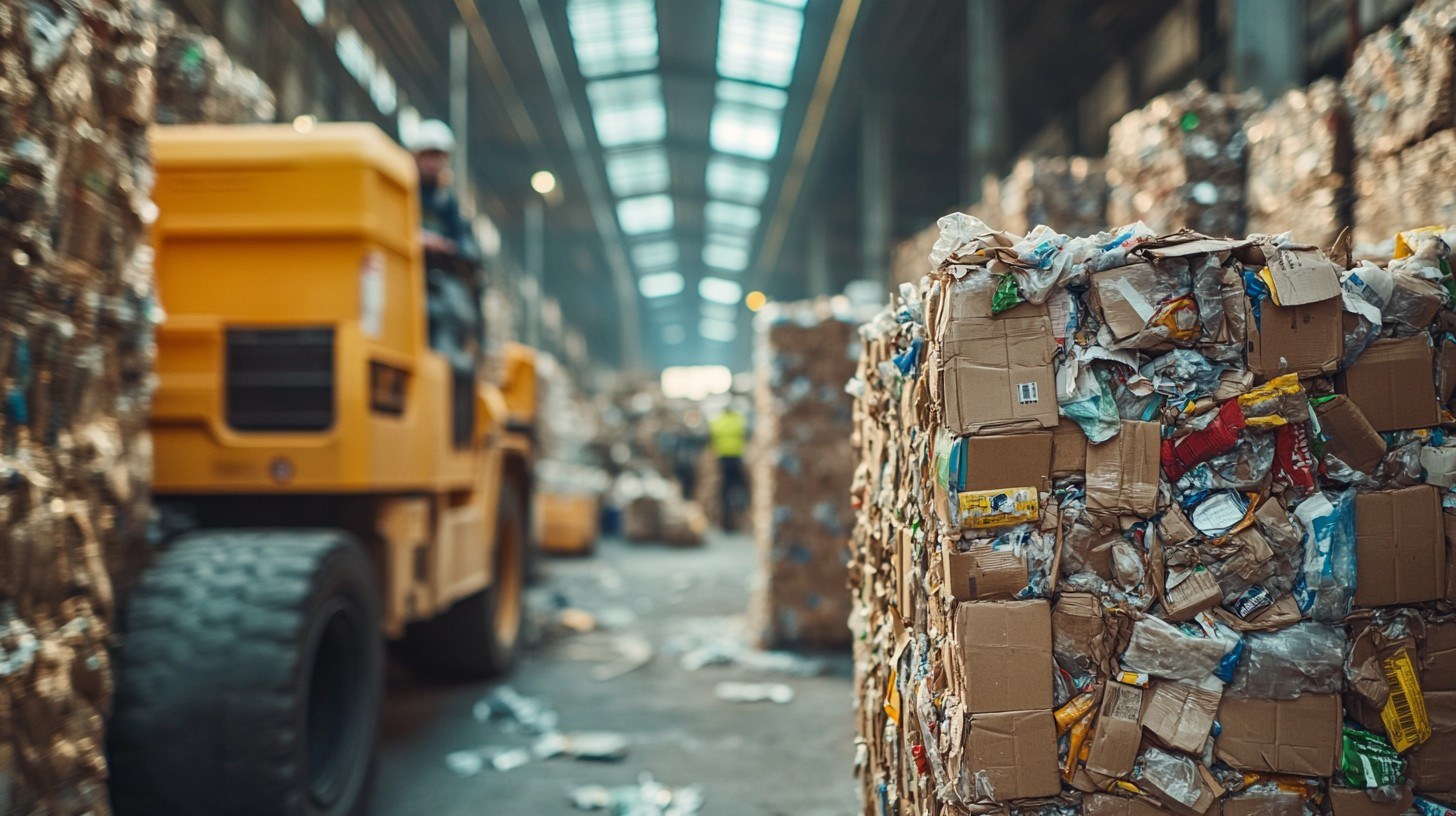
Transfer stations play a pivotal role in modern waste management systems, serving as intermediate collection points where municipal waste is temporarily held before being transported to recycling centers, landfills, or waste-to-energy plants. This guide provides an in-depth look at the operations and management of transfer stations, highlighting best practices and operational efficiencies.
Daily Operations in a Transfer Station
The day-to-day operations of a transfer station involve several key activities:
- Waste Receipt and Weighing: Waste is brought in by collection vehicles and weighed on entry to keep track of the quantities and types of waste being processed.
- Waste Sorting: Depending on the type of station, waste may be sorted into different categories such as recyclables, organic waste, and non-recyclable materials.
- Compaction and Transfer: Waste is often compacted to reduce its volume, then loaded into larger vehicles for transportation to final disposal sites.
- Site Maintenance: Regular cleaning and maintenance are necessary to keep the facility operating efficiently and to comply with health and safety regulations.
Best Practices in Managing Transfer Stations
Effective management of transfer stations requires adherence to several best practices:
- Efficiency Optimization: Streamlining operations to minimize wait times and maximize throughput is crucial. This may involve strategic scheduling, advanced traffic flow planning, and employing technology for faster processing.
- Environmental Compliance: Ensuring all operations comply with environmental regulations is critical. This includes managing leachate and emissions, as well as implementing dust and odor control measures.
- Safety Protocols: Safety is paramount in transfer station operations. Regular training, adherence to safety guidelines, and proper equipment maintenance are necessary to prevent accidents.
- Community Engagement: Engaging with the community can help mitigate concerns related to traffic, noise, and odors often associated with transfer stations. Effective communication and community involvement can foster positive relationships and enhance operational acceptance.
Case Studies of Efficient Transfer Stations
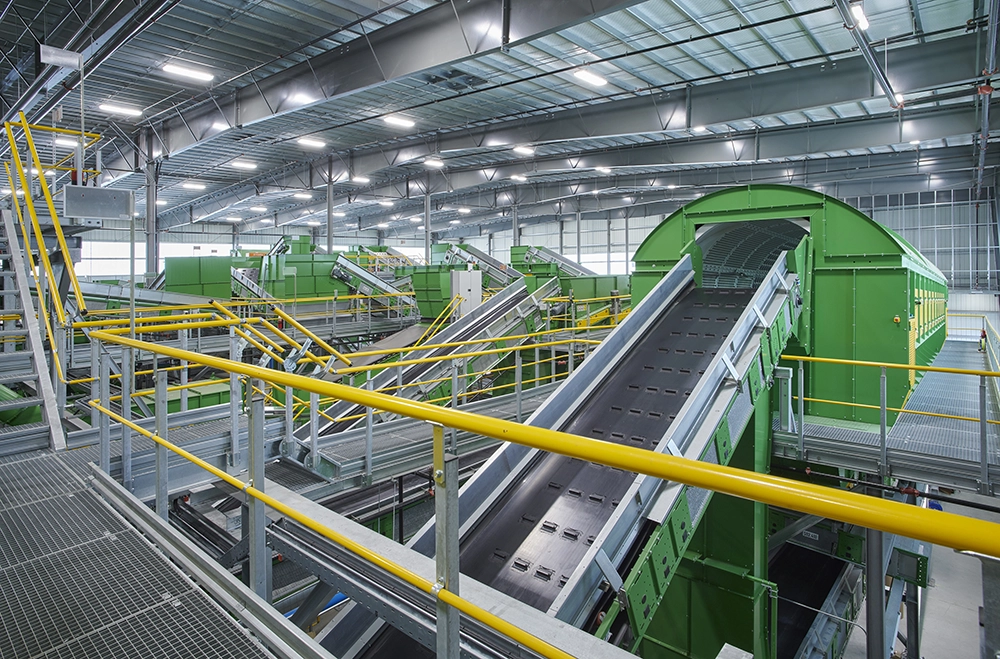
Several transfer stations have set benchmarks in efficiency and management. For example, the XYZ Transfer Station in has implemented a state-of-the-art waste sorting system that automatically separates recyclables from waste, significantly reducing the labor costs and increasing recycling rates. Another notable example is the ABC Transfer Station in , which uses advanced compaction equipment to reduce the volume of waste, thereby decreasing the number of trips needed to haul the waste to landfills.
Conclusion and Future Trends
As urban populations continue to grow, the role of transfer stations in waste management will become more critical. Innovations such as automation in waste sorting and smart technologies for tracking and optimizing waste flow are likely to define the future of transfer station operations. Furthermore, the increasing emphasis on sustainability will drive more transfer stations to incorporate advanced recycling facilities and sustainable practices.
By understanding the fundamental operations and adhering to best practices in the management of transfer stations, municipalities and waste management companies can enhance efficiency, reduce environmental impact, and provide better services to communities.
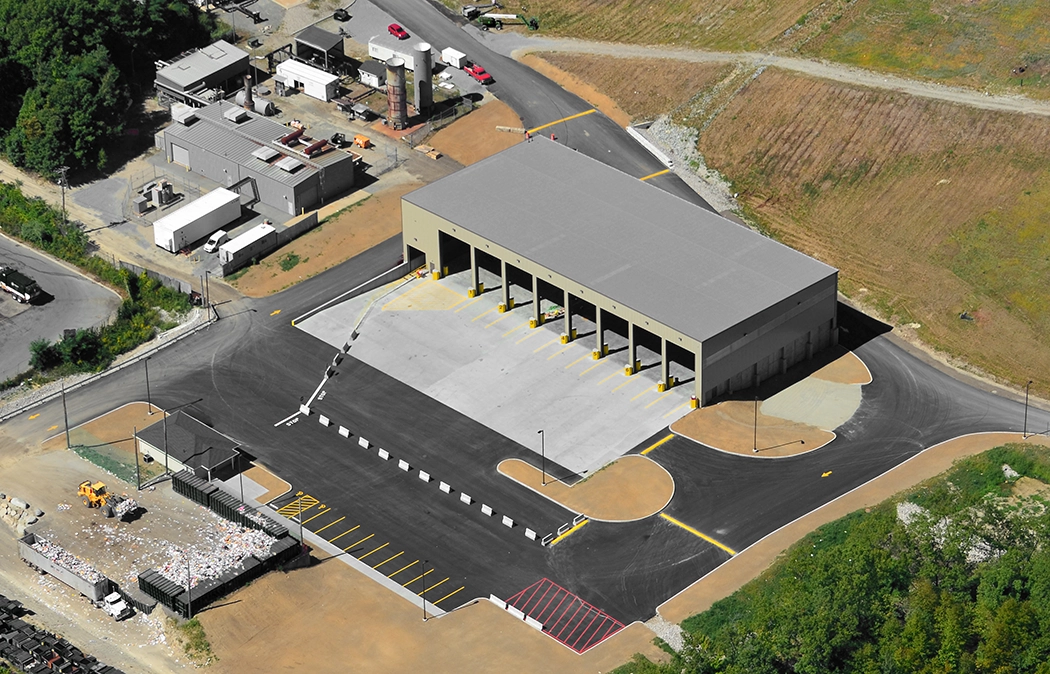
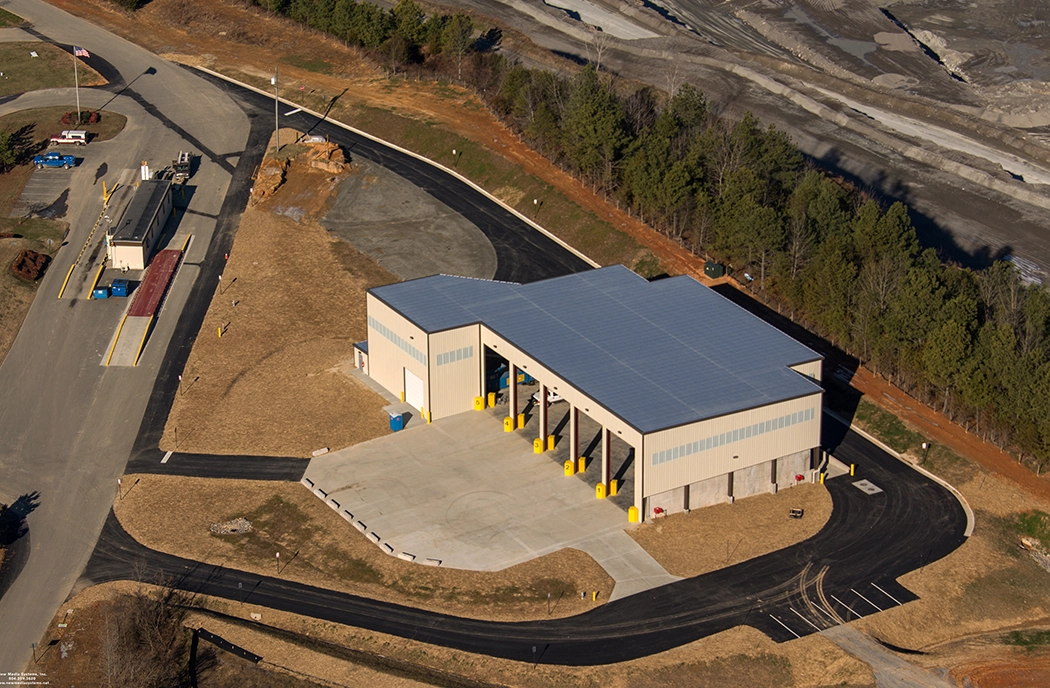
Cambridge Companies is an expert is designing and building Transfer Stations nationwide for public and private clients.

Simplifying Clients' Lives One Project at a Time.