What To Consider When Planning A Transfer Station Redesign or Expansion

When contemplating a transfer station redesign, expansion, or new build, operators need to weigh several factors to make an economical choice that works in both the short and long term.
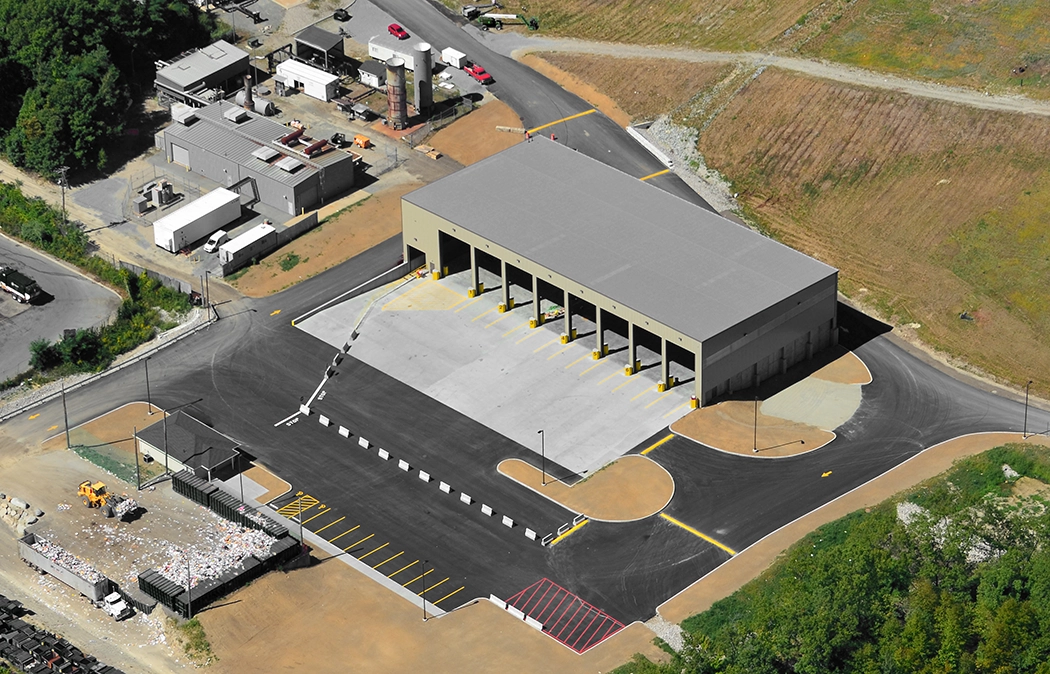
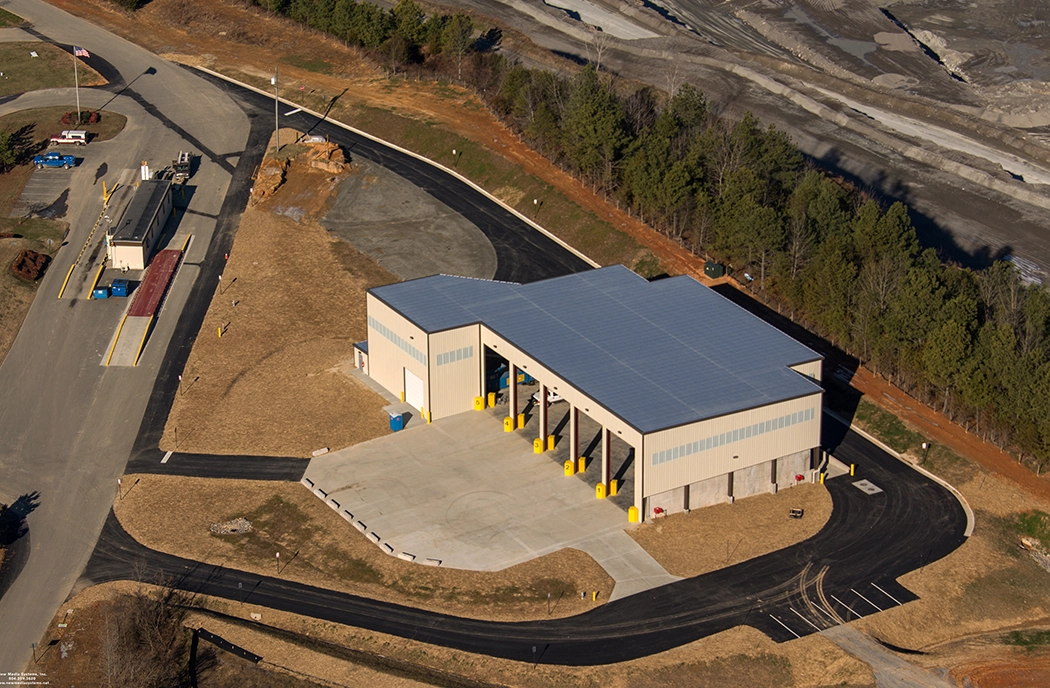
The physical layout, size, and design of a transfer station heavily influence the scope and ease of operations. If the incoming volume surpasses the capacity, or the facility is no longer conducive for processing the materials coming in, it may be time to redesign, expand or rebuild.
According to Evan Williams, who is in charge of project design at design-build specialist Cambridge Companies, there are several factors business owners should consider when deciding on what route might be best for enhancing the capabilities of their operations.
When does it make sense to build?
Williams says, that an increase in volume can signal a clear need for facility expansion or redesign. Volume increases commonly arise from taking on new customers or diversifying the materials processed. In these cases, improving capacity often becomes a must to stay competitive and continue serving customers’ needs.
“When it comes to renovating or expanding a facility, it of materials,” Williams says. “Some transfer stations receive municipal solid waste, and they might innovate and renovate their facility so they can receive single-stream recyclables that might otherwise get transferred to another facility.”
Other reasons to consider upgrading a transfer station include:
- Issues with odor or dust and environmental compliance regulation
- Structural repairs to maintain a safe operation
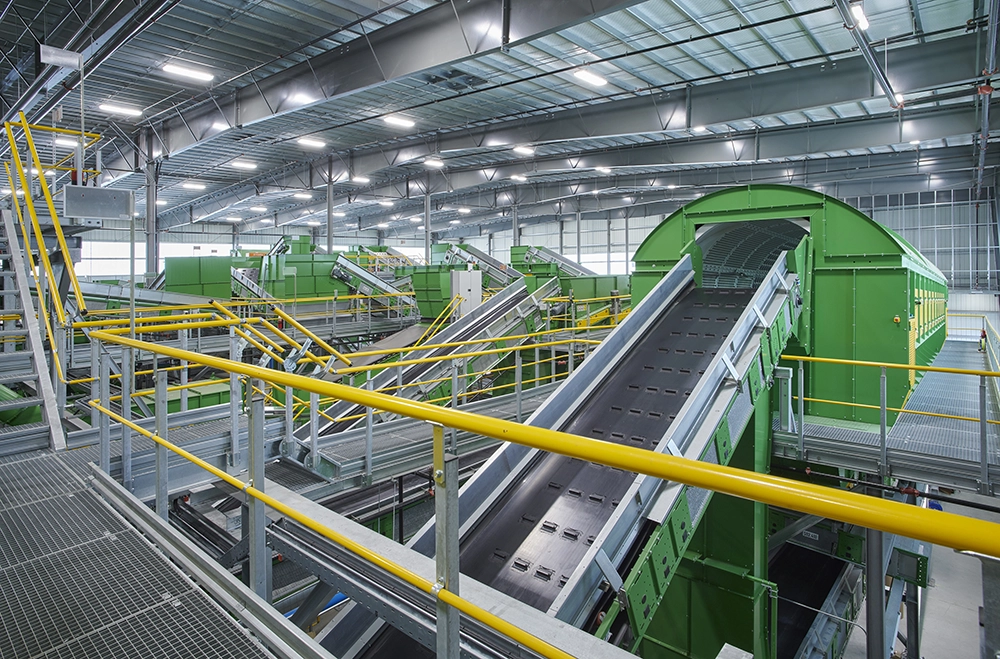
- Or the desire to separate different streams such as white goods, organics, and construction and demolition materials within the facility

Simplifying Clients' Lives One Project at a Time.