Why experience matters when building a transfer station
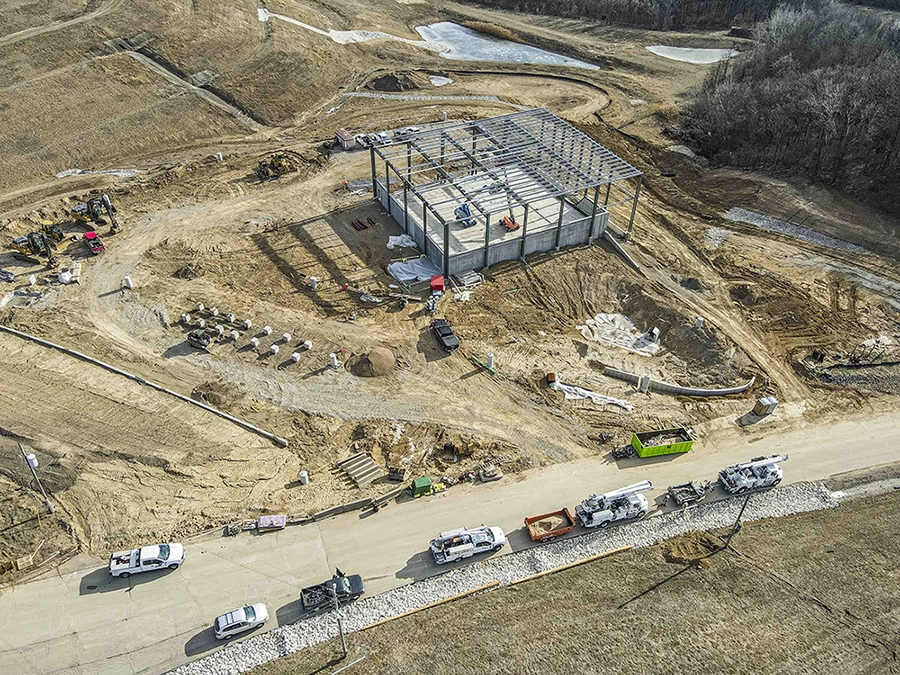
For constructing a facility that can stand up to the rigors of the job, finding the right architects and contractors is a must.
I hear it all the time: “I’ll get an architect to design my transfer station, and then it will be easy to just find anyone to build it.” I’m here to tell you it’s not that simple. Some people think these facilities are just concrete and steel—they can’t be that difficult to build, right? Well, there are myriad factors that come into play during construction where the intent of the design just can’t be made clear enough. During these times, experienced and knowledgeable professionals are needed to take the lead.
The tipping floor
While many people think the tipping floor is just a concrete floor with rebar, so much more goes into the design and the makeup of the concrete itself. I would venture to say 99 percent of the architect and engineering firms out there don’t know how to design a tipping floor to withstand the abuse it takes on a daily basis. On top of that, 99 percent of contractors don’t know how to properly pour the concrete or place the rebar in these facilities. By using a general contracting firm to design or build transfer stations, it is highly likely that a basic tipping floor installed by inexperienced contractors will wear down too fast (sometimes within three to seven years) and cost a lot of money in inefficiencies and repairs over the life of the facility. By contrast, a proper concrete mix design can keep tipping floors intact for over 15 years without the need for repairs.
In terms of pouring the floor, the contractor must have experience with the right mix in order to do it correctly. Contractors need to understand how many control joints should be placed and where, why the floor should slope a certain way, how the rebar needs to be placed, why testing is important and how many tests are necessary for the mix during placement, how to cure the floor to limit stress cracks, and various other considerations. With all these job-specific requirements, being able to rely on a building team that has specialized in transfer station construction or other similar types of jobs is critical.
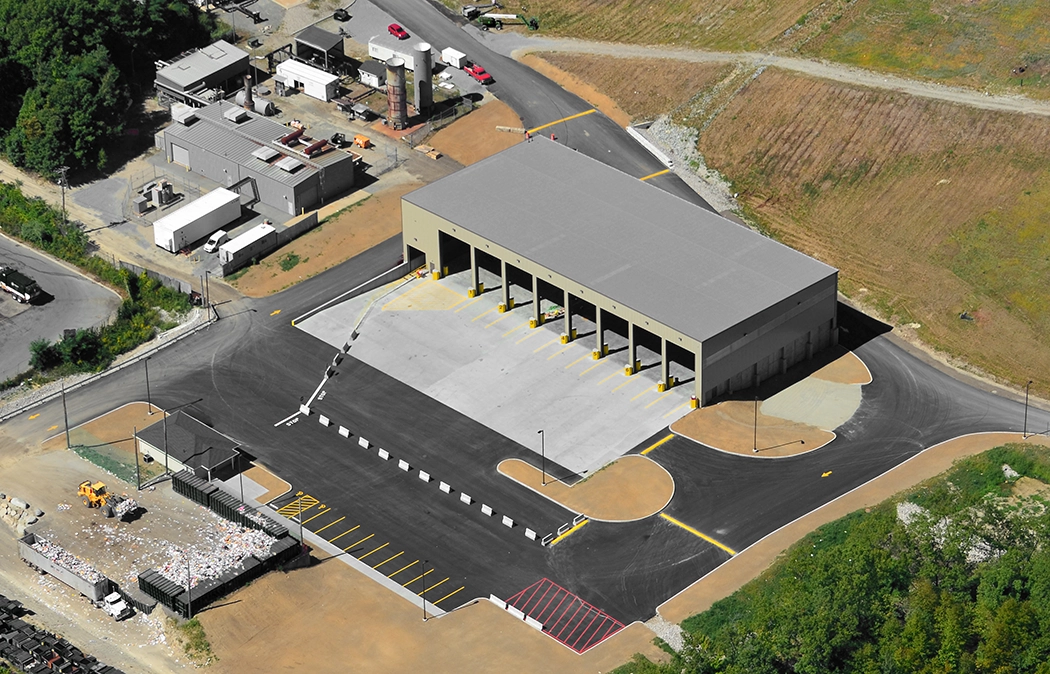
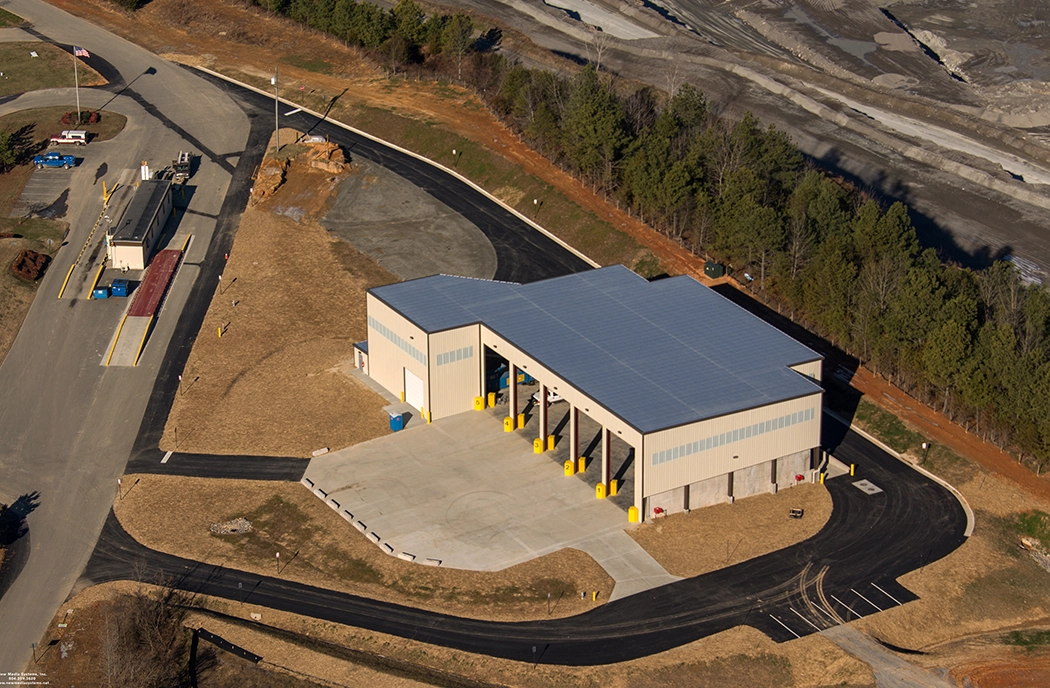

Simplifying Clients' Lives One Project at a Time.